Uncover the Beauty and Legacy of Balboa Park
Balboa Park, a cultural anchor of San Diego, exhibits a profound heritage infused with extraordinary architectural qualities. Developed in 1868, the park reveals impressive structures that underscore its historical prominence, especially from the 1915 Panama-California Exposition. Travelers can find a compilation of exhibition spaces and botanical gardens, each delivering unforgettable adventures. Yet, there is so much more to find about the park's concealed attractions and community programs that magnify its lively ambiance.
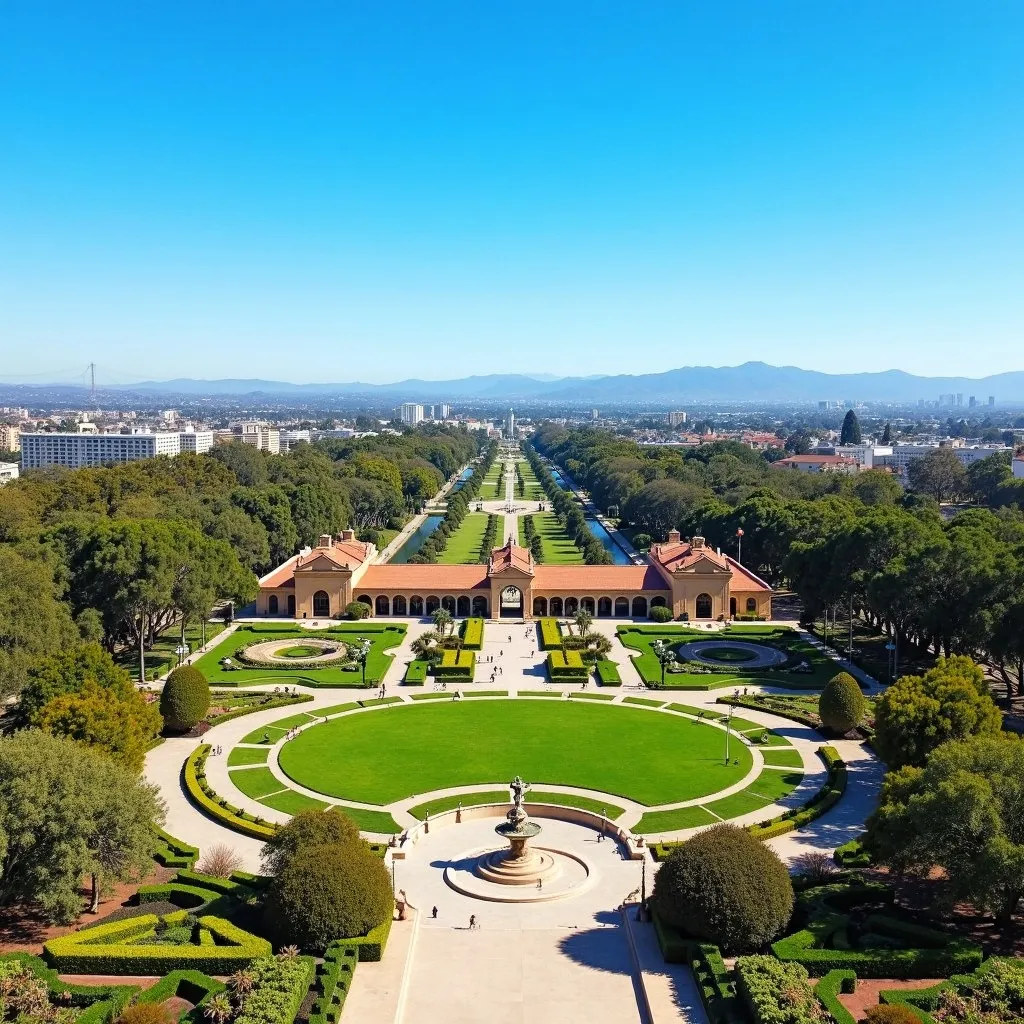
Balboa Park's Historical Meaning
Balboa Park, established in 1868, possesses tremendous historic importance as a cultural and leisure hub in San Diego. Initially designated as a public green space, its development accelerated in the early 20th century, particularly during the 1915 Panama-California Exposition, which displayed San Diego's growth and aspirations. The exposition prompted the building of several iconic structures, many of which represent Spanish Colonial Revival architecture, a defining characteristic of the park.
Over the span of time, Balboa Park has served as a setting for various artistic gatherings and celebrations, stressing its purpose as a community gathering space. The park's storied past is also intertwined with the accounts of native populations and original inhabitants, showcasing the diverse tapestry of San Diego's past. Today, Balboa Park exists not only as a leisure location but also as a emblem of the city's development through time, representing its cultural heritage and commitment to community areas.
Best Art Galleries to Discover in Balboa Park
While exploring the vibrant landscape of Balboa Park, visitors encounter an impressive array of museums that serve diverse interests. The San Diego Museum of Art stands out with its extensive collection of European and American art, providing a glimpse into various artistic movements. Meanwhile, the Natural History Museum captivates audiences with its rich displays of fossils, gemstones, and live animal exhibits, perfect for families and nature enthusiasts alike.
For those interested in science, the Fleet Science Center showcases interactive exhibits and an IMAX theater, making learning engaging and fun. The Museum of Photographic Arts features stunning visual narratives, while the Timken Museum of Art offers a gentler experience with its European and American masterpieces. Each museum contributes to the cultural tapestry of Balboa Park, affirming that visitors leave with a enhanced understanding for art, science, and history.
Impressive Architectural Works in Balboa Park
Balboa Park demonstrates a remarkable array of architectural wonders, prominently featuring the iconic Spanish Colonial Revival design. This unique aesthetic is supplemented with a rich tapestry of architectural influences that express the park's rich history. As visitors explore, they encounter monuments that tell stories of cultural significance and artistic exploration.
Iconic Spanish Colonial Revival
Situated in the core of San Diego, the architectural highlights of Balboa Park embody the renowned Spanish Colonial Revival style, which emerged in the early 20th century. Defined by distinctive arches, tile roofs, and intricate stucco facades, this architectural movement draws on Spain’s rich heritage. Key buildings, such as the California Tower and the Museum of Us, illustrate the ornate details and vibrant colors that exemplify the style. The park’s architecture blends seamlessly with lush gardens and peaceful plazas, creating a picturesque setting that invites exploration. Each building shares a story of cultural significance, demonstrating the city’s dedication to preserving its historical roots while honoring the beauty of Spanish-inspired architecture.
Different Architectural Styles
As visitors explore Balboa Park, they discover a breathtaking array of design approaches that showcase the diverse heritage elements defining San Diego. The park displays the detailed elements of Spanish Colonial Revival, defined by its stucco facades and vibrant tile work. In contrast, the refined neoclassical buildings, such as the San Diego Museum of Art, offer a glimpse into European architectural trends. Modern influences are evident in the smooth lines of the Mingei International Museum, while the fanciful creations of the Old Globe Theatre reflect Shakespearean influences. Each structure shares a story, weaving together a abundant collection of history and culture. This design variety not only improves the park's aesthetics but also deepens its cultural importance.
Explore Balboa Park's Beautiful Gardens
The spectacular array of gardens within Balboa Park displays a diverse tapestry of flora, encouraging visitors to immerse themselves in nature's beauty. Among the most notable is the Botanical Building, a Victorian-era structure housing an extensive collection of tropical plants and orchids. Nearby, the Rose Garden features over 1,600 vibrant rose bushes, creating a aromatic oasis that Balboa Park CA captivates the senses.
The Japanese Friendship Garden, with its peaceful koi ponds and carefully groomed gravel, provides a serene escape, showcasing traditional Japanese landscape design. Meanwhile, the Desert Garden showcases arid plants from around the world, demonstrating the resilience of life in harsh conditions.
Each garden tells a unique story, adding to the park's overall appeal and ecological diversity. Collectively, they offer an rewarding visit, allowing guests to understand the complex connection between the natural world and artistry within this historic urban landscape.
Exciting Experiences for Everyone in Balboa Park
A variety of things to do await visitors of all ages in Balboa Park, promising a unforgettable experience for all. Families may explore hands-on displays at the San Diego Natural History Museum or take pleasure in the captivating marine life at the Birch Aquarium. Art lovers can meander through the San Diego Museum of Art, while kids enjoy the vibrant playgrounds spread throughout the park.
For individuals pursuing outdoor adventures, the park features hiking trails and picturesque locations ideal for gatherings. The traditional carousel and miniature train provide charming fun for junior visitors. Additionally, yearly happenings, such as nature performances and cultural festivals, showcase the park's dynamic public character.
People can also enjoy guided tours, which provide insights into the park's compelling historical and architectural qualities. With such a diverse range of activities, Balboa Park truly caters to the curiosities and happiness of all who enter its picturesque grounds.
Helpful Hints for Experiencing Balboa Park
Navigating Balboa Park can often be a delightful challenge for first-time visitors. To improve their experience, it is advisable to begin at the Visitor Center, where maps and brochures are readily available. These materials provide useful insights into the park's layout and attractions. Visitors should focus on their must-see destinations, as the park spans over 1,200 acres and offers numerous gardens, museums, and trails.
Visiting on weekdays helps avoid crowds, offering a more calm way to explore. It is important to wear comfortable walking shoes due to the park's uneven terrain. Taking advantage of the tram service can be a smart option for those wanting to cover more ground quickly. Guests should also watch the park’s calendar for any short-term exhibits or installations. Lastly, spending time venturing beyond main paths can uncover unique finds, enhancing the overall Balboa Park experience.
Cultural Activities and Public Involvement in Balboa Park
Balboa Park reflects vibrancy through its cultural events and community engagement, where diverse programs honor art, history, and local traditions. The park acts as a dynamic hub, hosting numerous festivals, performances, and workshops that bring residents and visitors alike. Annual events like the Balboa Park December Nights illustrate the rich cultural tapestry of San Diego, featuring live music, dance, and food from various communities.
Likewise, Balboa Park strengthens inclusive engagement through its outreach endeavors, encouraging involvement from all demographics. Programming focused on education, often executed jointly with local schools, raise consciousness of the park's cultural significance and the fine arts. Through these ventures, Balboa Park not only guards its legacy but also develops a sense of community connection among its guests. This engagement with cultural pursuits positions Balboa Park as a vital element of San Diego's identity, enriching the lives of those who reside and spend time in the locale.
Frequently Inquired Questions
What Times Does the Park Open Throughout the Year?
Balboa Park typically opens daily at 9 a.m. and shuts down at 5 p.m. in winter months, prolonging hours to 6 p.m. in the spring and summer months, with particular attractions having different schedules during the year.
Is There an Access Fee for Balboa Park?
Entrance fees are not charged at Balboa Park for basic access. Certain facilities situated in the park could levy separate admission costs. People visiting must review each venue's policies regarding detailed pricing.
Are Animals Allowed in Balboa Park?
Pets may be allowed in Balboa Park, as long as they remain on a leash. However, various areas and attractions may have constraints. Visitors should look into park regulations to secure a positive visit for everyone.
Where Should I Look for A Spot Nearby Balboa Park?
Parking near Balboa Park is present in various lots and on nearby streets. Visitors should check for official parking spaces and consider using parking apps for current availability to avoid congestion during rush times.
What Season Works Best for Visiting Balboa Park?
The best time to see Balboa Park is during weekday hours, notably in the early hours or evening hours. These times offer reduced foot traffic, agreeable temperatures, and great moments to navigate its attractions and gardens calmly.